Invoice Crediting for EU Compliance
vCita is a Business Management Platform for
small businesses & service providers such as Consultants, coaches, therapists, and lawyers. covering scheduling, payments, and invoicing.
Overview
In the EU, issued invoices cannot be edited, and corrections are tightly regulated.
To work with EU partners, vCita must align its invoicing system with these requirements.
To work with EU partners, vCita must align its invoicing system with these requirements.
My role
UX ownership of EU invoicing flows, concluding research and usability testing. Design detailed flows.
The UX challenge
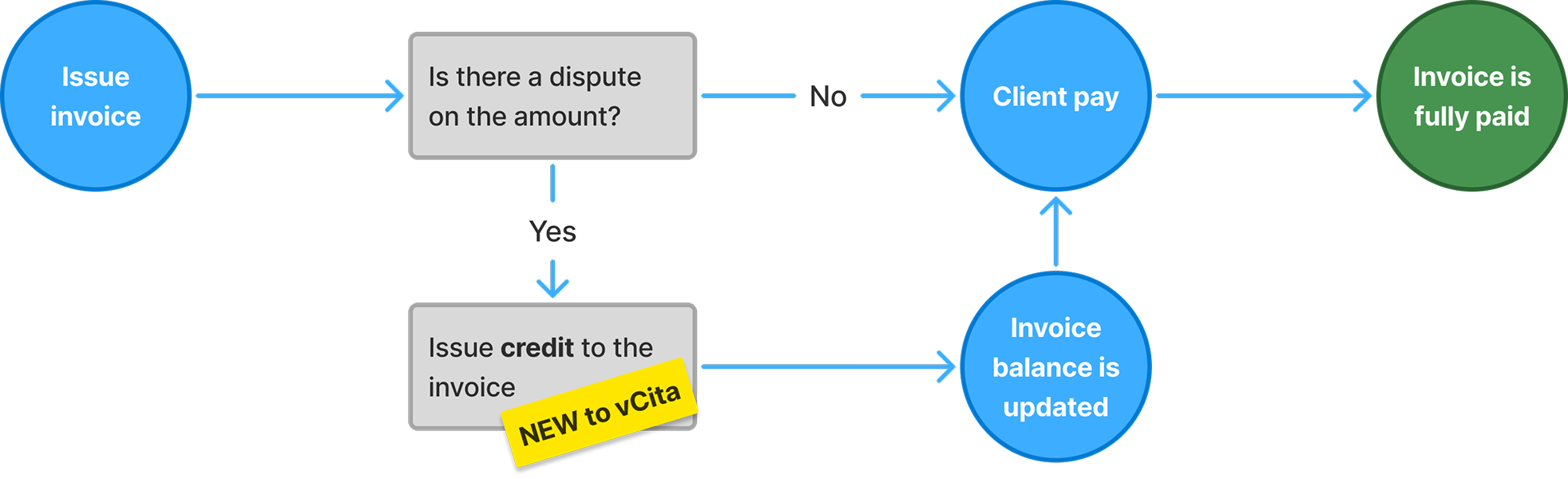
Enable users issue invoices and complete payments smoothly, even when corrections are needed, without causing confusion or accounting errors.
Solution
An invoicing flow that keeps users compliant while allowing them to complete invoicing and payments safely.
Credit note
Although credit is a common accounting concept, it was unclear how familiar future users would be with it.
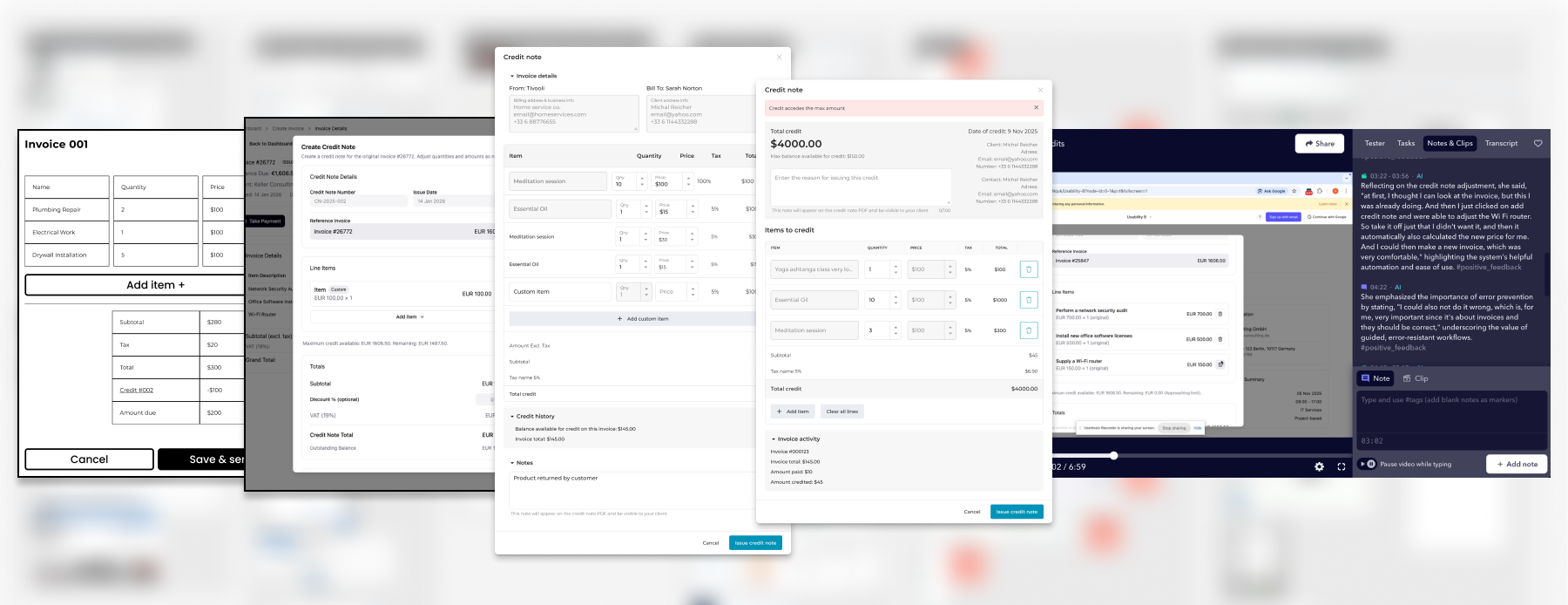
I ran user interviews, competitor analysis, and usability tests on prototypes to ensure the experience fits user’s needs, intentions, and skill level.
![]()
I ran user interviews, competitor analysis, and usability tests on prototypes to ensure the experience fits user’s needs, intentions, and skill level.
Crediting flow
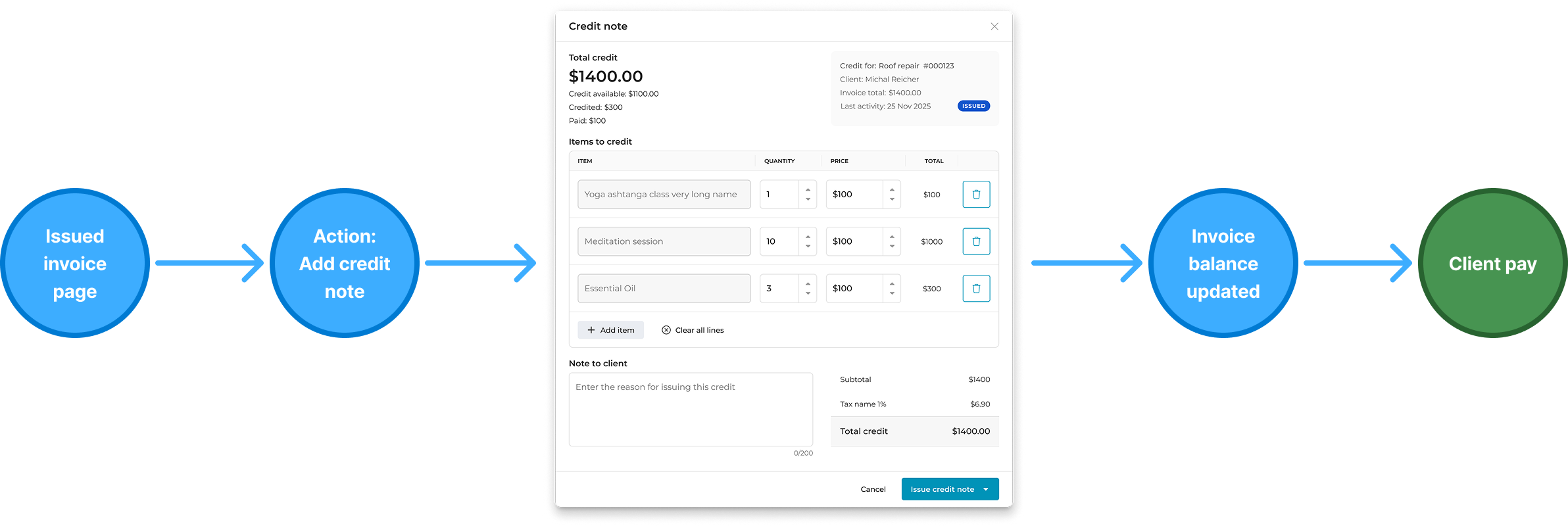
Design details
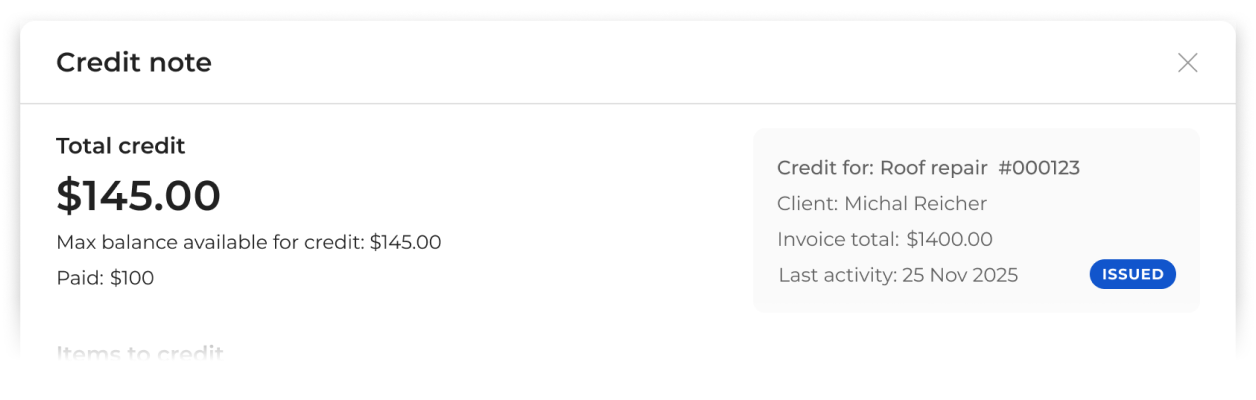
Context:
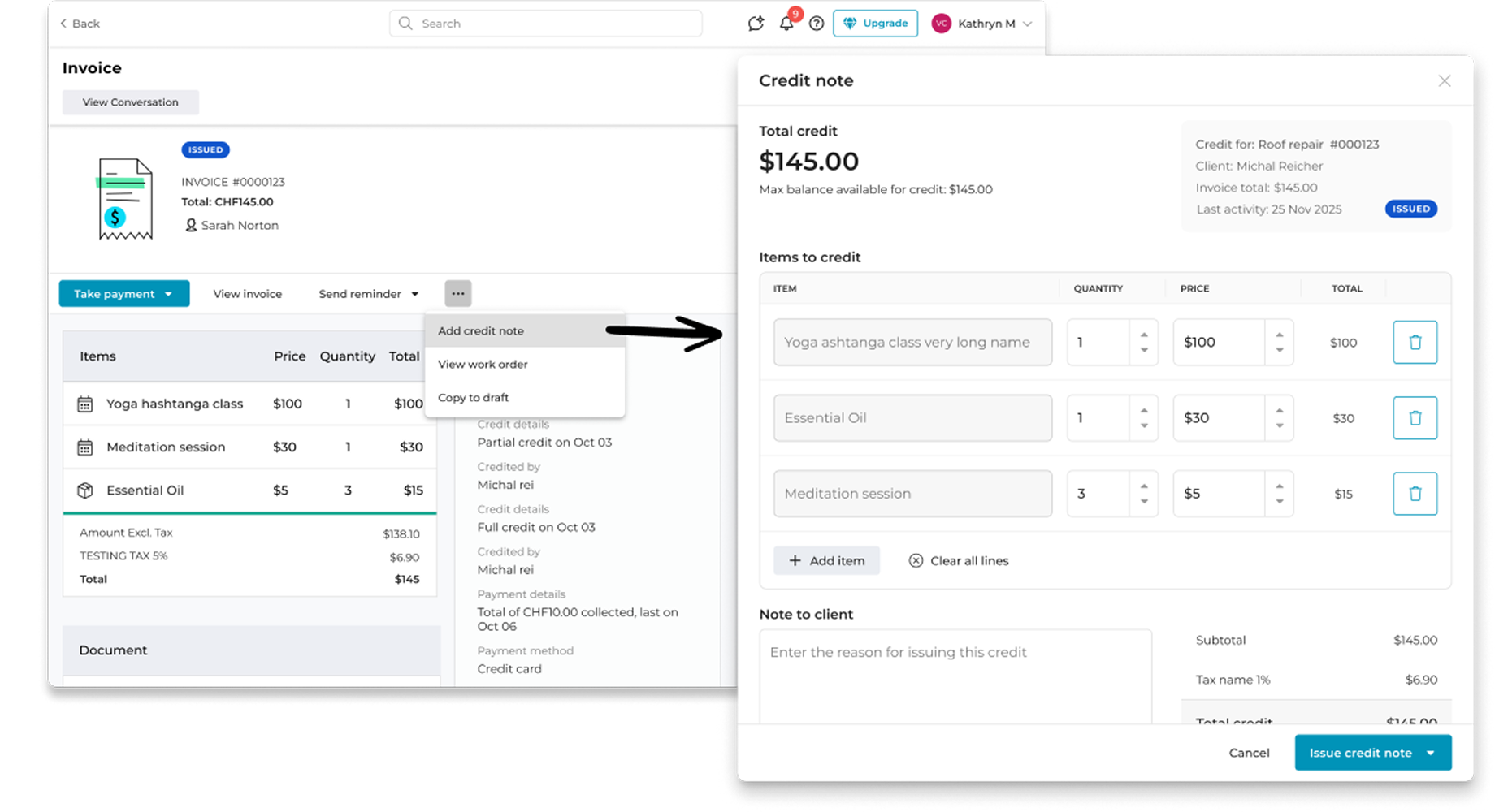
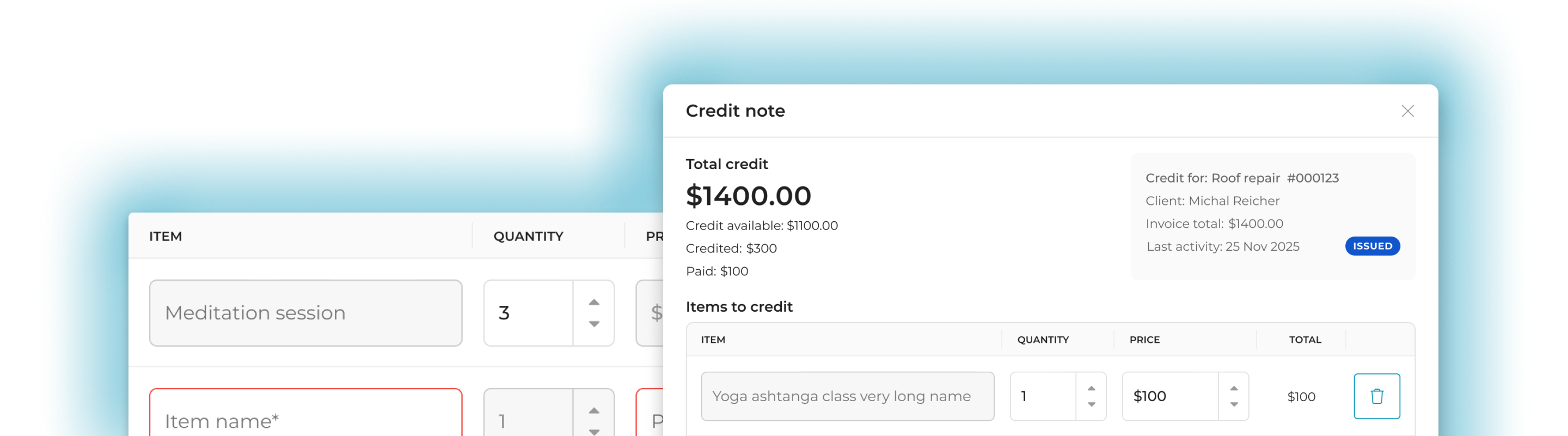
The original invoice balance is always visible, so users understand what they are crediting.
By default, credit note is a fast way to full credit on the invoice.
By default, credit note is a fast way to full credit on the invoice.
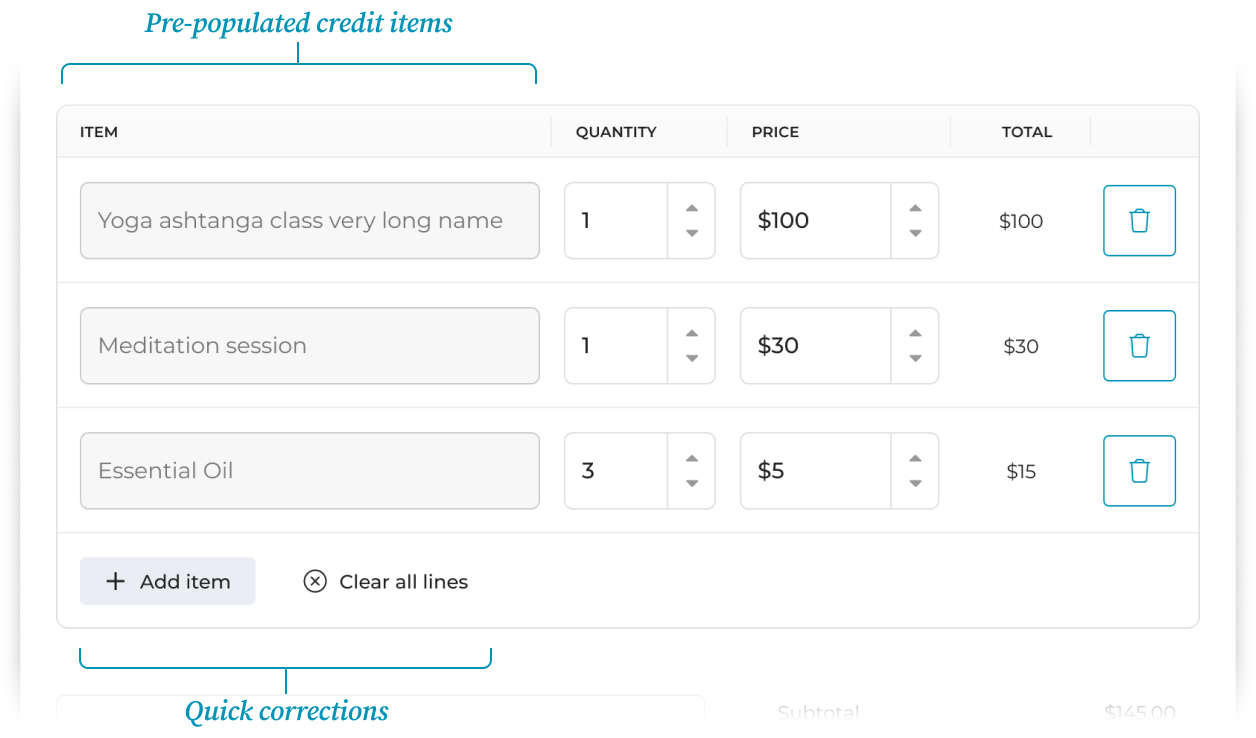
Simplify changes:
Invoice structure and items are prepopulated in the credit note. Allowing users to correct amounts and prices rather than refilling the items from a list one by one.
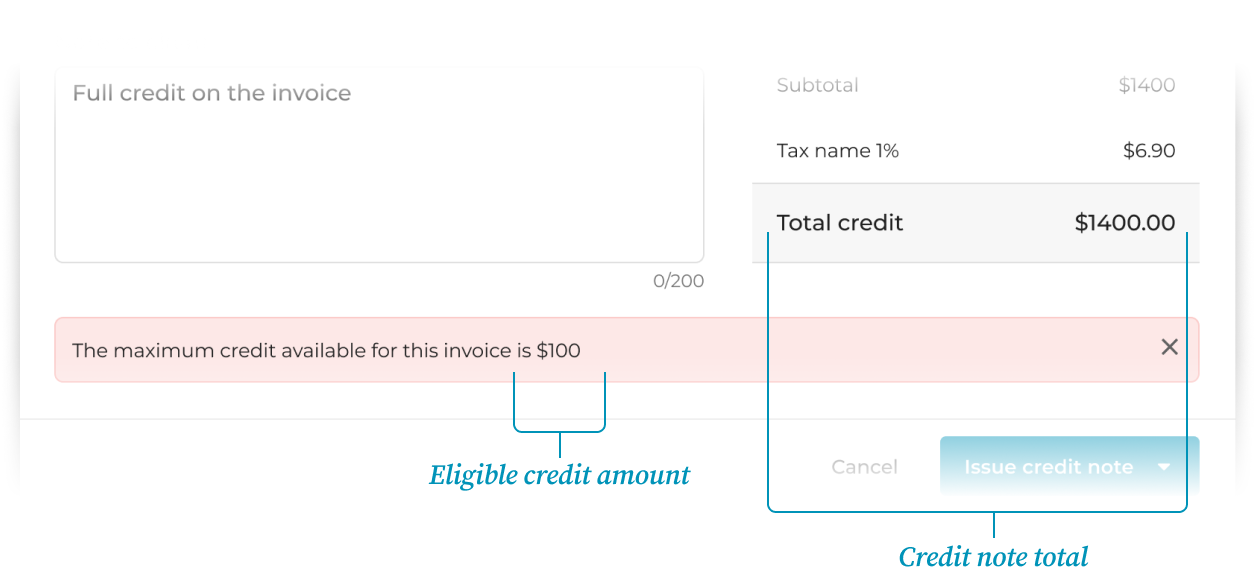
Safe flow:
Built-in validation prevents accounting mistakes and blocks non-compliant actions.
Design system impact
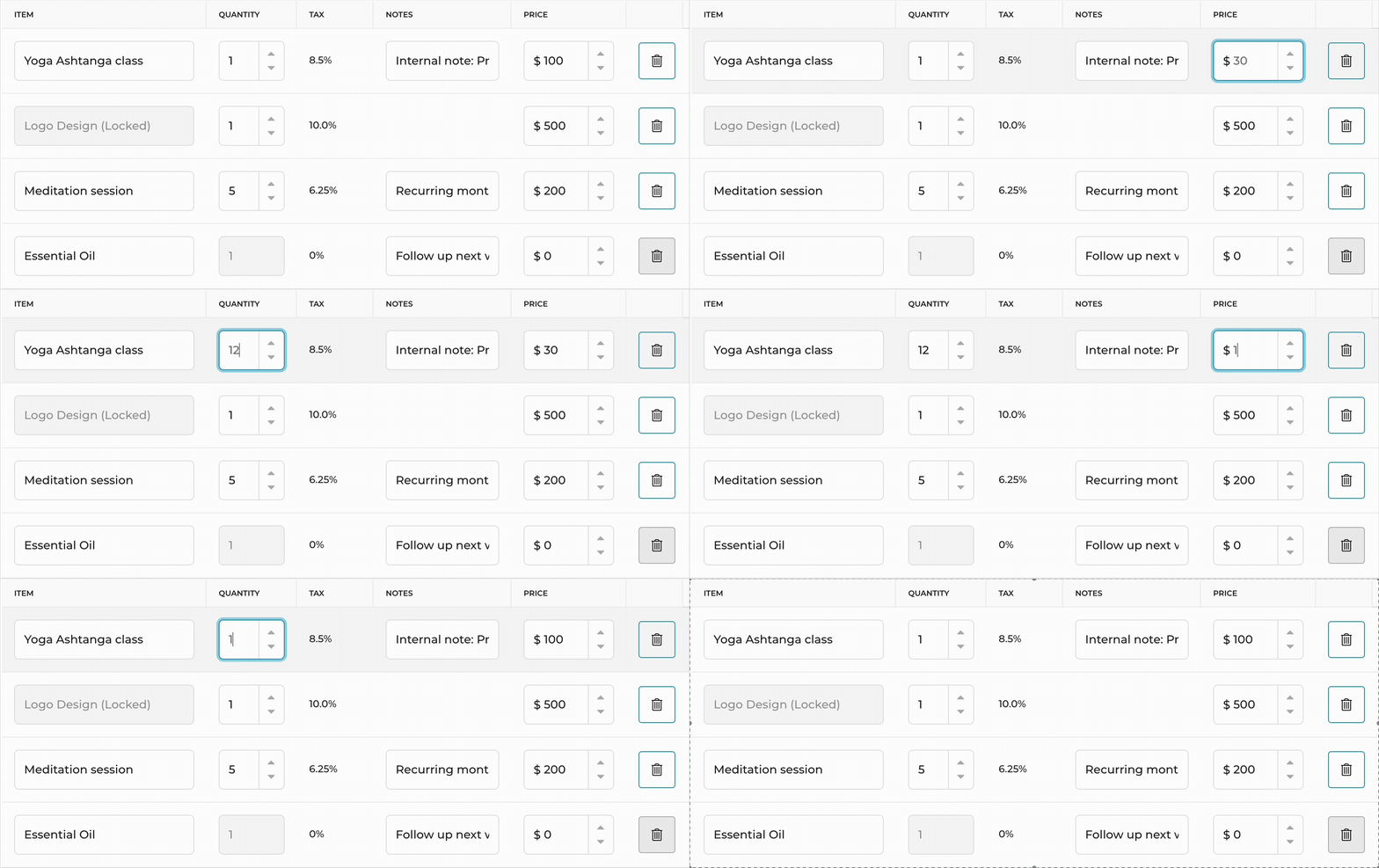
Inline editing components introduced here were added to the design system and reused across invoicing flows.
✔️ New credit note inline editing
UX improvments:
- Edit is always visible and easy to find
- Faster item-level changes
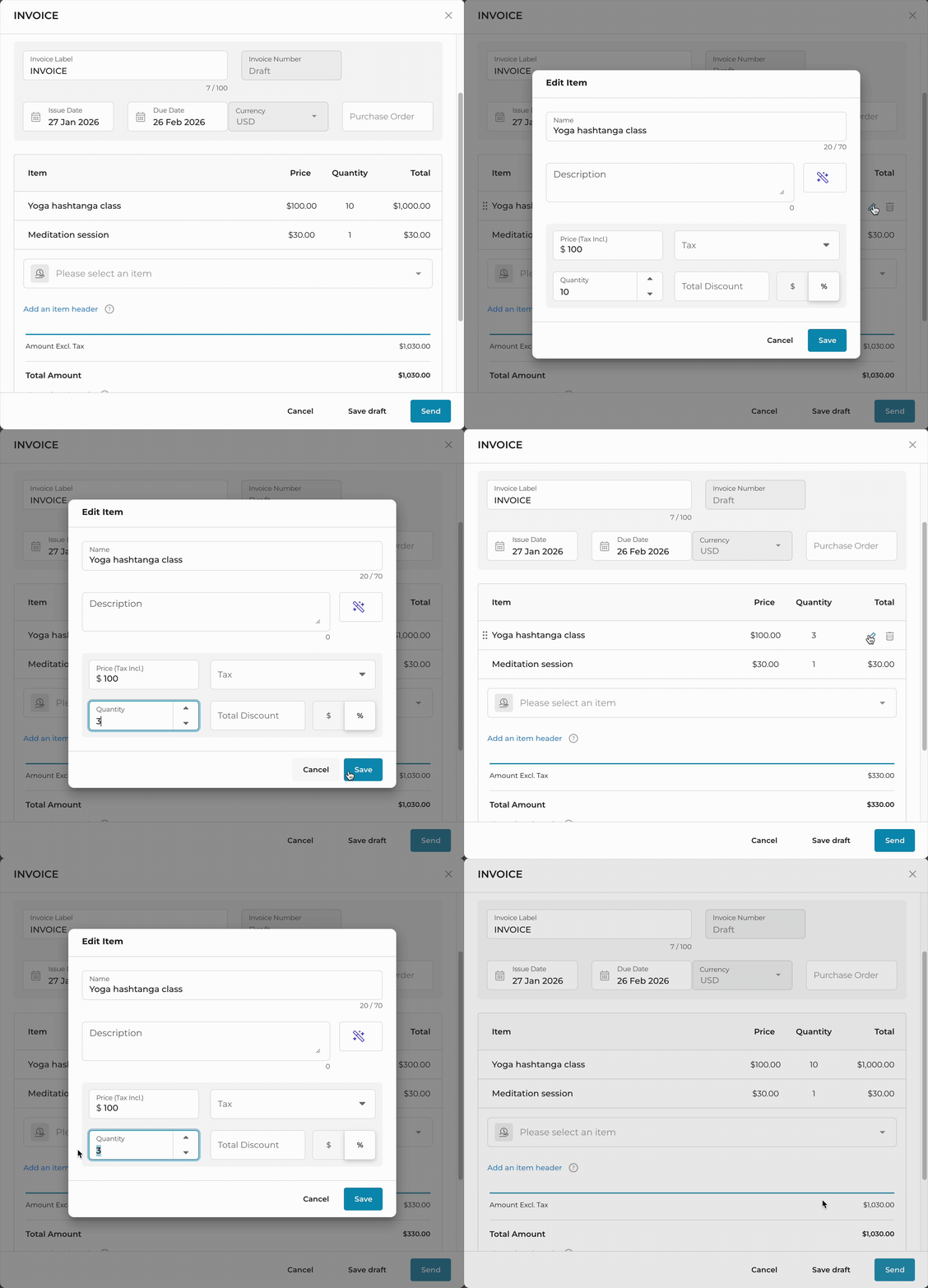
❌ Old invoice editing
UX pain points:
-
Hiden edit, discovearble by hover
- Dialog over dialog - high cognitive load
By combining benchmark credit forms with insights from user research, I designed a credit experience that supports how users actually work.
It uses pre-filled data for quick full credits, with clear guidance and validation to help prevent accounting mistakes.
Planned for implementation in Q1 2026.
![]()
It uses pre-filled data for quick full credits, with clear guidance and validation to help prevent accounting mistakes.
Planned for implementation in Q1 2026.